
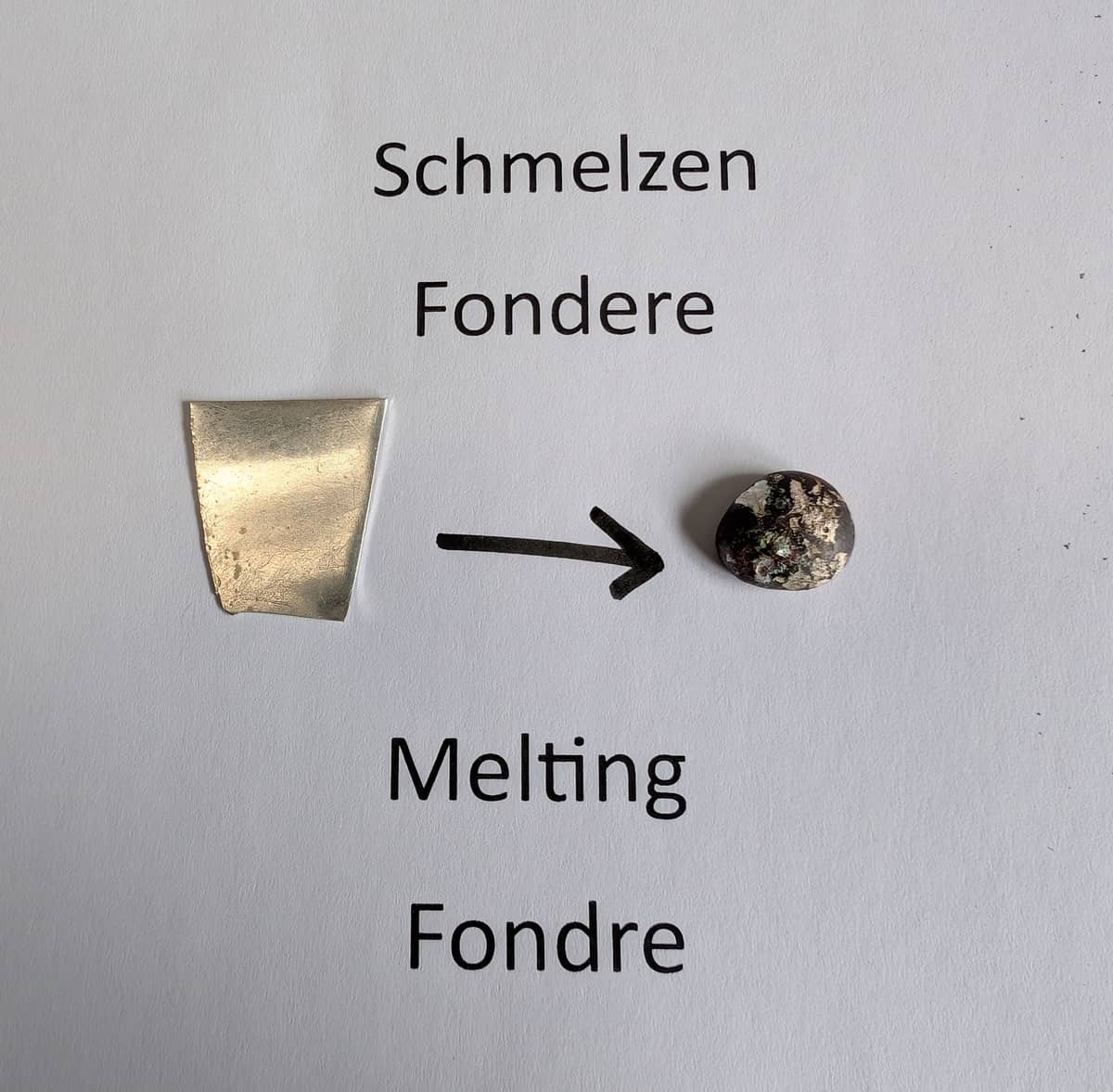
In goldsmithing, melting is a crucial step for shaping and refining metals like gold, silver, and platinum. Gold and silver have relatively low melting points, making them easy to melt using an inexpensive propane or acetylene torch. When melting these metals, flux is applied to help remove impurities and prevent oxidation, ensuring a clean and smooth molten state.
Gold melts at around 1064°C (1947°F), while silver melts at approximately 962°C (1764°F). Once heated, the metals contract into a drop, ready for pouring or further shaping.
Platinum, however, presents a challenge due to its much higher melting point of about 1770°C (3218°F). Melting platinum requires a specialized torch, such as an oxy-acetylene flame, capable of reaching these extreme temperatures. This makes platinum more difficult to work with, but also contributes to its durability and value in fine jewelry.
Whether working with gold, silver, or platinum, mastering the melting process is essential for goldsmiths to create high-quality, durable jewelry pieces.
Please click on Additional information to find a list of needed tools and further information on this tutorial.


